What to check before booking a Barcelona helicopter tour
A helicopter ride over Barcelona is a short experience with a lot of moving parts. The flight may last only a modest slice of the day, but the details around it matter: what is included, where the route goes, how clear the views are likely to be, and what happens if plans change. A little care before booking helps match the ride to your expectations rather than leaving everything to chance.
Start with the purpose of the trip. Some people want a broad view of the city skyline, others want the coastline, and others are mainly interested in seeing historical landmarks from above. Those goals can point to different routes and departure times. A flight focused on the city centre will feel quite different from one that tracks along the water, even if both are sold as a tour en helicoptero barcelona. Read the route description closely and look for named areas or sights instead of relying on a single generic image.
Route and viewing time
The first practical point is the route itself. A useful description should tell you what the aircraft passes over and how long the main part of the experience lasts. Flight time is not the same as the total time you spend at the meeting point, so keep the two separate in your mind. A brief ride can still be memorable if it covers the right areas, while a longer one may feel rushed if boarding and safety briefings take up much of the visit.
Pay attention to the balance between city and sea. Barcelona has a distinctive mix of dense blocks, wide avenues, beaches, and open water. If your main interest is architecture, a route that gives more time over the urban core is likely to suit you better. If you want blue water and a broad horizon, a coastal route may matter more. The best choice depends on what you want to remember, not on which option sounds grandest.
Aircraft and seat arrangement
Next, check the helicopter type and passenger capacity. These details affect the feel of the trip. A smaller aircraft can feel more intimate, but it may have fewer seats and less room for luggage. A larger one may offer a steadier ride and a different view from each seat. Seat position can also change how much you see, especially when the route turns. If you are travelling with others and want to sit together, look for clear information about seating before you reserve.
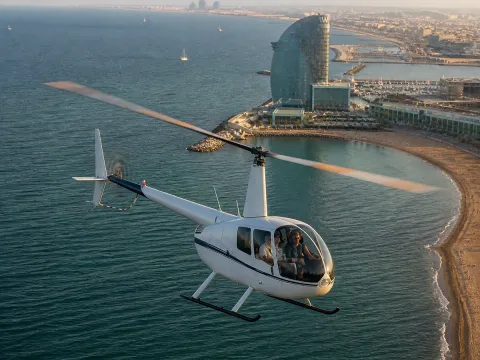
Weight limits are another practical point. Helicopters have strict loading rules, and these are based on safety rather than convenience. If a booking form asks for body weight, that is usually part of the aircraft planning process. Accurate figures help avoid problems on the day. If you are unsure what to enter, ask before paying rather than guessing. The same care applies to bags. Large luggage is often awkward on a small aircraft, so check what can be brought along and what should be left elsewhere.
Weather and visibility
Weather conditions deserve close attention because they shape the whole experience. Clear skies make it easier to pick out streets, buildings, and the shoreline. Low cloud, heavy rain, strong wind, or haze can reduce visibility and may affect whether a flight goes ahead. A tour sold with flexible dates can be more useful than one tied rigidly to a single moment, especially if the trip is part of a wider visit.
Look for the policy on poor weather before booking. A responsible operator will not fly just to keep a schedule if conditions are unsuitable. The useful question is what happens when a flight is delayed or cancelled: whether another time can be arranged, and what the booking terms say. A vuelo en helicoptero barcelona planned early in a stay gives more room to move things around than one booked for the final afternoon.
Light also changes the view. Midday can bring brightness and stronger contrast, while late daylight can soften the city and coastline. Neither is automatically better. If photography matters, think about where the sun will be and whether the route tends to turn toward or away from it. Indoor reflections can be a nuisance, so a clean window and a sensible camera setting are more useful than simply bringing the biggest lens.
Booking details that are easy to miss
The booking process is worth reading carefully, not just completing quickly. Check what the reservation includes, what is optional, and what must be confirmed in advance. Look for the meeting point, the time you are expected to arrive, and the amount of time needed for check-in. A short flight still needs preparation, and arriving late can affect your place on the schedule.
Also check the rules for changes, cancellations, and missed arrivals. These terms can be as important as the route description. If your travel plans are still shifting, a booking with clearer change terms may be wiser than a slightly more convenient time slot. Keep written confirmation of what was reserved, including the date, time, route, and any special requests that were accepted.
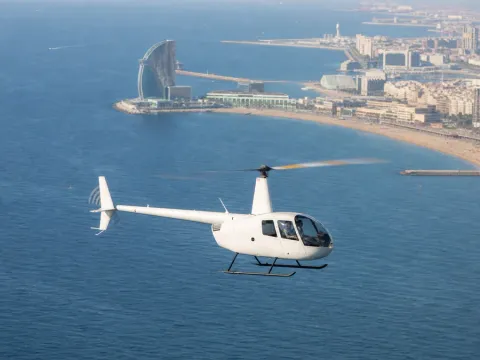
Group bookings need extra care. If several people are travelling together, confirm the total number of seats and whether everyone must be named in advance. Children, older passengers, and anyone nervous about heights may have different needs. The flight is usually smooth compared with many forms of transport, but it is still an aircraft experience. Anyone with concerns should be able to ask questions before committing.
Safety, comfort, and what to bring
Safety information should be clear and easy to understand. Before booking, check whether the operator explains boarding, seat belts, luggage rules, and the role of the pilot or crew. A short briefing is normal, and it helps passengers know what to expect. If something in the instructions seems unclear, ask for an explanation rather than assuming it does not matter.
Comfort is more basic but still worth considering. Wear layers if the day may be cool at height, and avoid loose items that can blow around. Sunglasses can help with glare, particularly over water. Phones and cameras should be secured so they do not drop during boarding or while seated. A small bag is usually easier to manage than a large one, especially when space is limited.
Accessibility is another point to check in advance. Boarding a helicopter can involve steps, narrow openings, and limited space inside. If mobility is a concern, ask about the physical requirements before reserving. The answer may depend on the aircraft and the meeting arrangement. Getting this sorted early avoids a difficult situation later and helps the day run calmly.
Matching the flight to your wider plans
Think about where the tour fits in your day. A flight near other planned activities can be convenient, but it is better to leave a little breathing room around it. Weather changes, road traffic, and check-in requirements can all affect timing. If the ride is the main event, choose a time that gives you a clear window rather than squeezing it between other commitments.
It also helps to compare what different listings actually promise. Similar wording can hide real differences in route, aircraft, group size, and included time. Read the details in the same order each time: route, duration, aircraft, passenger number, meeting point, weather policy, and change terms. That makes comparison easier and stops a attractive photograph from doing all the persuading.
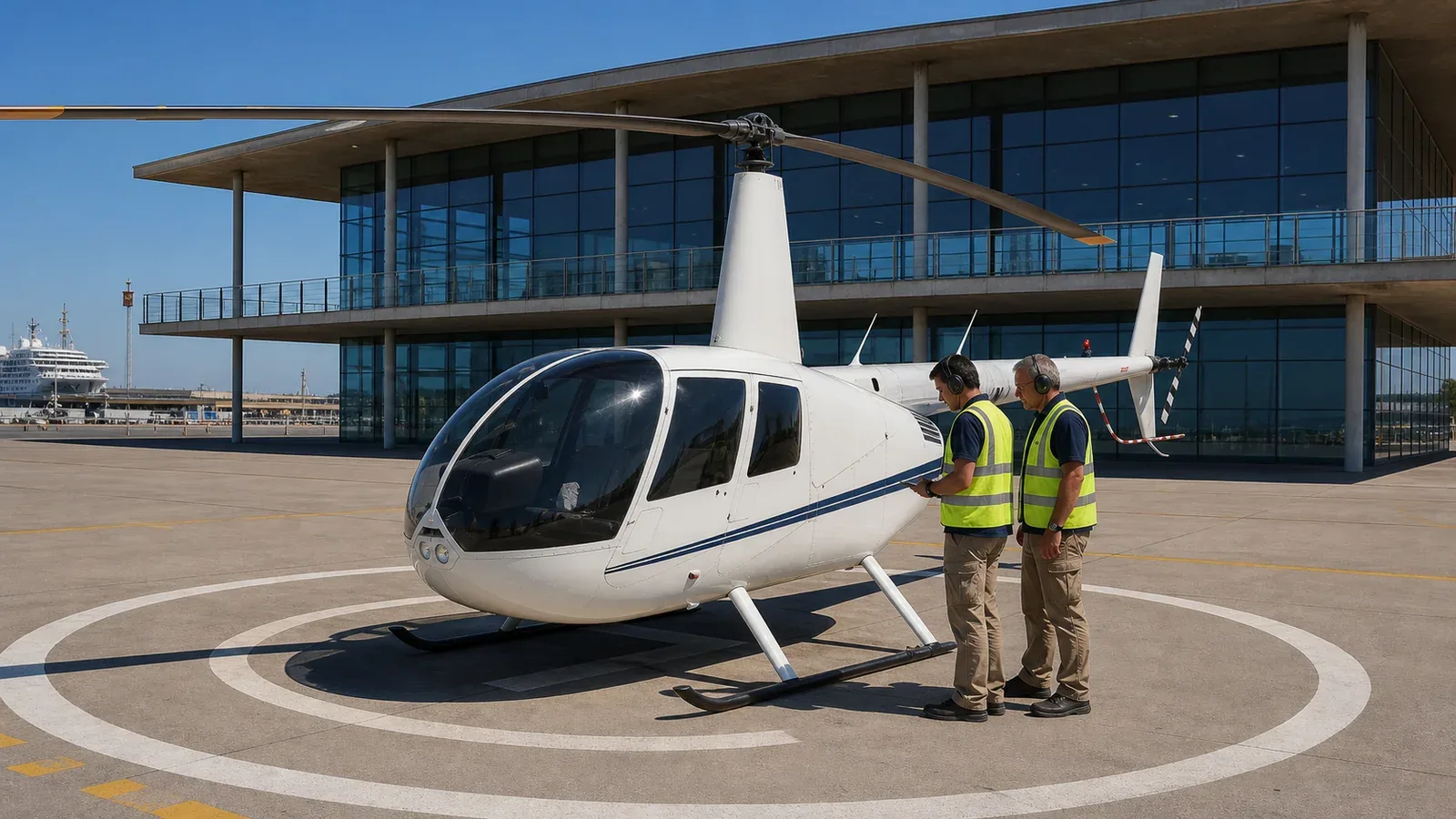
A good way to judge value is to ask whether the experience matches the way you want to see Barcelona. If the city skyline is the priority, choose a route and timing that give it room. If the coastline matters most, give that more weight than the number of minutes in the air. If historical landmarks are what you came to see, look for a description that names them or passes close enough to make them recognisable.
Before paying, make sure you understand the few points that could change the day: where to go, when to arrive, who is flying, what happens in poor weather, and what the route includes. Those details are not glamorous, but they shape the experience. When they line up with your interests, the ride itself becomes much easier to enjoy.